

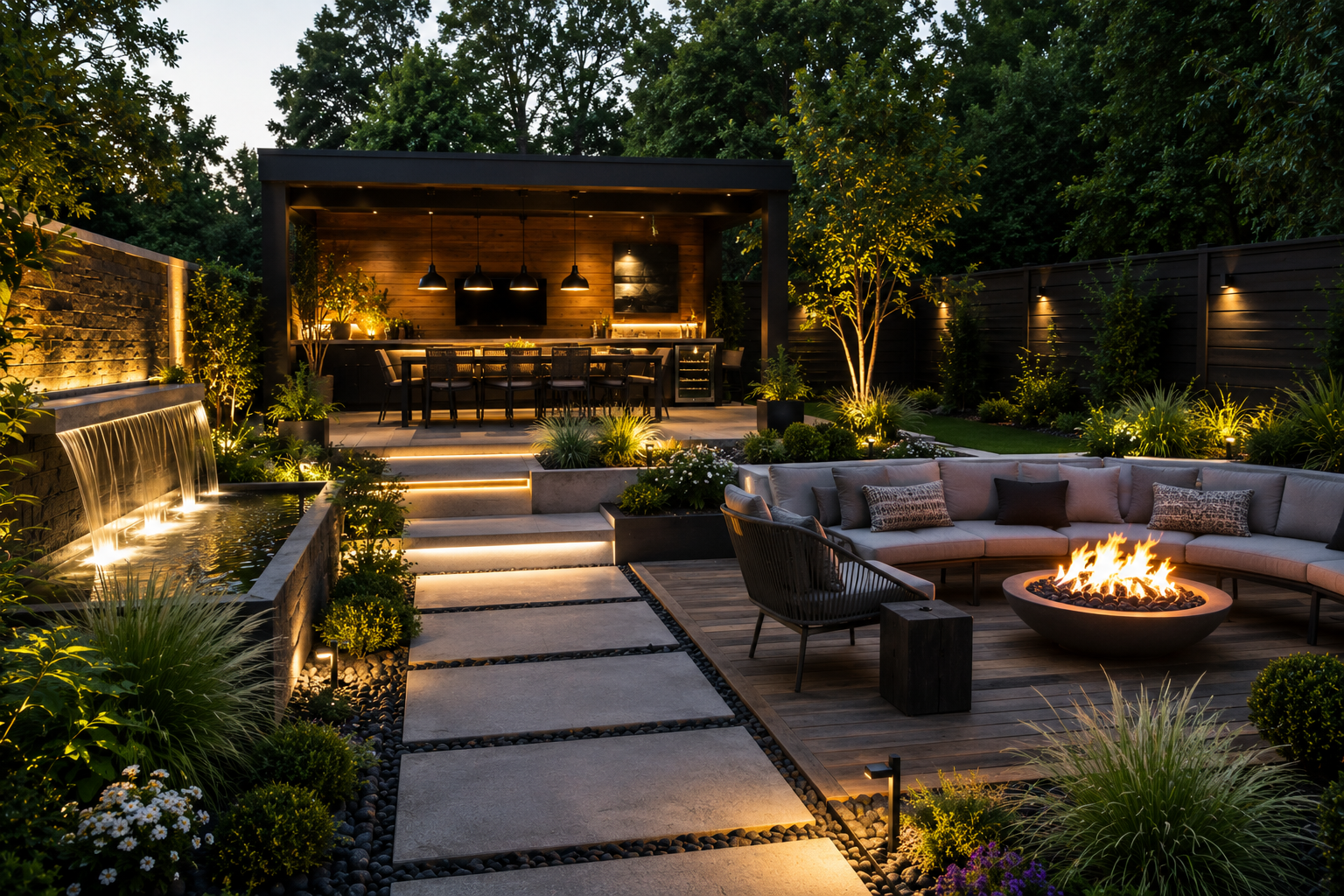
A well-designed outdoor space can transform the appearance of a residential or commercial property. Gardens, lawns, walkways, trees, and decorative features all contribute to creating an attractive and welcoming environment. Beyond visual appeal, a thoughtfully planned outdoor area can provide a relaxing place for family gatherings, outdoor activities, and everyday enjoyment.
However, maintaining an attractive landscape requires more than planting flowers or cutting grass occasionally. Successful outdoor design involves understanding the property’s layout, selecting suitable plants, managing soil conditions, and creating a maintenance plan that supports long-term growth.
Understanding the Basics of Outdoor Design
Every property has different characteristics that influence its outdoor design. Available space, sunlight exposure, soil quality, drainage, and climate should all be considered before starting a project.
A large backyard may provide opportunities for separate garden sections, outdoor seating, and recreational areas. Smaller properties can benefit from carefully selected plants, vertical gardens, and compact decorative features.
Creating a simple layout before purchasing materials helps homeowners use available space effectively. It also makes it easier to identify areas that need pathways, planting beds, shade, or additional privacy.
A balanced design should combine functionality with visual appeal rather than focusing entirely on decoration.
Choosing Plants That Suit the Environment
Plant selection is one of the most important parts of creating a healthy outdoor environment. Different species have different requirements for sunlight, water, temperature, and soil conditions.
Native plants are often a practical choice because they are adapted to local environmental conditions. Depending on the location, they may require less watering and provide valuable habitats for local wildlife.
Homeowners should also consider how large plants will become when fully grown. Trees and shrubs need enough space for their roots and branches to develop without interfering with buildings, walkways, or utility lines.
Combining plants with different colors, textures, and flowering seasons can create an attractive garden throughout the year.
Creating an Attractive Garden With Professional Planning
Professional landscaping can help property owners turn ordinary outdoor areas into organized and visually appealing spaces. Experienced landscape professionals understand how to combine natural elements with practical features such as patios, pathways, retaining walls, and drainage systems.
A professional assessment can identify opportunities and potential challenges before work begins. For example, uneven ground may require grading, while areas with poor drainage may need additional solutions.
Professionals can also recommend suitable materials and plant combinations based on the property’s conditions. This guidance helps homeowners avoid unnecessary expenses and create outdoor spaces that are easier to maintain.
Improving Soil Quality and Plant Health
Healthy soil provides the foundation for successful gardening. It supplies essential nutrients, supports root development, and helps regulate moisture around plants.
Before planting, homeowners should examine the soil’s texture, drainage, and nutrient levels. Some gardens may benefit from compost or other suitable organic materials, while others may require adjustments to improve soil structure.
Adding mulch around trees, shrubs, and garden beds can help conserve moisture, reduce weed growth, and protect soil from extreme temperature changes.
Regular observation is also important. Yellowing leaves, slow growth, and damaged plants may indicate watering problems, nutrient deficiencies, or pest activity.
Designing Functional Outdoor Living Areas
Outdoor spaces can serve many purposes beyond gardening. A comfortable patio, shaded seating area, or outdoor dining space can make a property more enjoyable.
When designing these areas, homeowners should consider accessibility, privacy, sunlight, and the movement of people through the property. For a Smith Mountain Lake excavating contractor check out Wingfield Excavating & Landscaping.
Stone pathways can connect different sections of a garden, while decorative lighting can improve visibility and create a pleasant atmosphere during the evening.
Fences, shrubs, and strategically placed trees can also provide privacy without making the outdoor environment feel closed or crowded.
Choosing durable materials that can withstand local weather conditions helps maintain the appearance of these features over time.
Managing Water and Drainage Effectively
Water management is essential for maintaining healthy outdoor spaces. Excessive moisture can damage plant roots, contribute to soil erosion, and create standing water near buildings.
Proper grading helps direct rainwater away from foundations and other sensitive areas. Rain gardens, suitable drainage channels, and permeable paving may also help manage water depending on the property’s design.
Water-efficient irrigation systems can reduce unnecessary consumption while ensuring that plants receive adequate moisture.
Homeowners should monitor drainage conditions after heavy rainfall to identify areas where improvements may be necessary.
Maintaining Outdoor Spaces Throughout the Year
Even the most attractive garden requires regular attention. Seasonal maintenance may include pruning, mowing, removing fallen leaves, controlling weeds, and checking irrigation equipment.
Different plants require different levels of care, so maintenance schedules should reflect their individual needs.
Professional assistance can be useful for larger properties, complicated planting arrangements, tree maintenance, and outdoor construction projects. Experienced professionals can also help identify problems that may not be immediately visible.
Creating an Outdoor Space That Lasts
A beautiful garden is the result of careful planning, suitable plant selection, and consistent maintenance. Homeowners who consider both appearance and functionality can create outdoor environments that remain enjoyable for many years.
By improving soil conditions, managing water effectively, and selecting appropriate materials, property owners can make better use of their available space.
Ultimately, a successful outdoor design should complement the property, support healthy plant growth, and provide a comfortable environment for everyday activities.
